
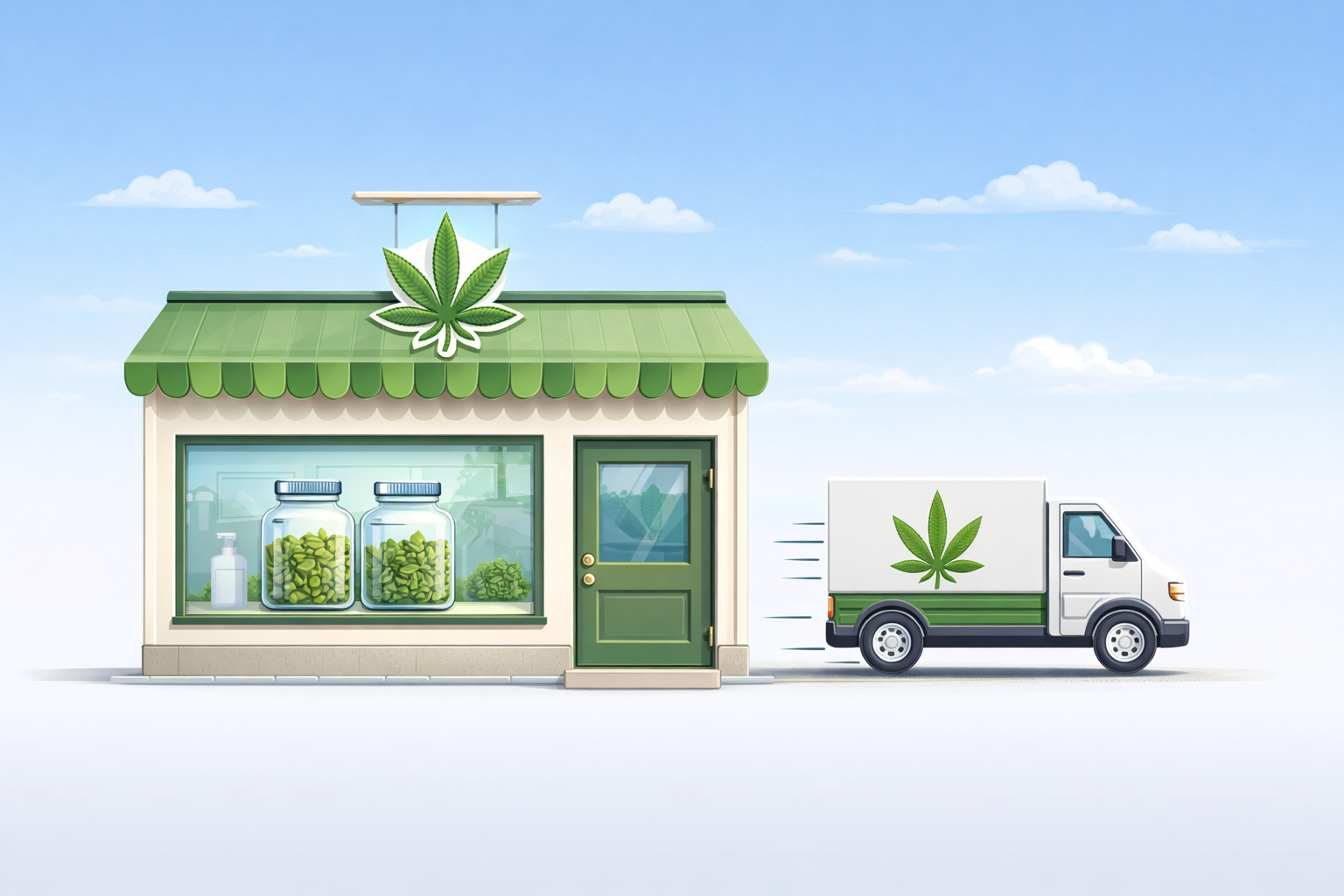
What Is a Weed Dispensary? Understanding America’s Cannabis Retail Landscape
Weed dispensaries have become familiar landmarks in states across America where cannabis is legal. These specialized storefronts or online platforms serve as the primary hubs for purchasing marijuana products, bridging the gap between licensed growers and everyday consumers. From medical patients seeking relief to recreational users exploring new strains, dispensaries offer a controlled, regulated environment for cannabis commerce.
Defining a Weed Dispensary
At its core, a weed dispensary (also called a cannabis dispensary, pot shop, or marijuana retail store) is a licensed business authorized to sell cannabis products to qualified customers. Unlike traditional pharmacies or liquor stores, dispensaries operate under strict state-specific regulations that govern everything from product sourcing to sales practices.
Dispensaries typically stock a range of items: dried flower (buds), pre-rolls, edibles like gummies or chocolates, concentrates such as wax or shatter, vape cartridges, tinctures, topicals, and accessories like pipes or grinders. Many also provide educational resources, helping newcomers understand strains, potency levels (measured in THC/CBD percentages), and consumption methods.
The term “dispensary” draws from historical apothecaries, emphasizing a focus on measured, therapeutic dispensing rather than casual retail. Today, they blend pharmacy-like precision with boutique retail vibes, often featuring sleek designs, knowledgeable “budtenders” (staff experts), and loyalty programs.
How Dispensaries Operate in the United States
The U.S. cannabis market is a patchwork of state laws, with no uniform federal legalization for recreational use (though medical cannabis has some protections under state programs). As of 2026, over 24 states plus D.C. allow recreational sales, while 38 states permit medical marijuana. Dispensaries must obtain state licenses, which involve rigorous background checks, security plans, and compliance audits.
Daily Operations:
-
Inventory Management: Products come from state-licensed cultivators or processors, tracked via seed-to-sale software like Metrc to prevent diversion.
-
Customer Verification: Buyers show ID to prove age (21+ for recreational, 18+ or medical card for patients). Medical customers present state-issued cards.
-
Sales Process: Budtenders consult on needs (e.g., indica for sleep, sativa for energy), weigh products onsite, and process payments (cash preferred in many spots due to federal banking restrictions).
-
Compliance: Cameras, limited purchase quantities (e.g., 1 oz flower/day in some states), and no on-site consumption ensure legality.
Dispensaries generate massive revenue— the industry hit $30 billion in 2025 sales—fueling taxes that fund schools, infrastructure, and addiction programs.
Physical vs. Online Dispensaries
Brick-and-Mortar Stores:
Traditional dispensaries resemble upscale wellness shops. Customers browse display cases (products stay locked behind counters), consult staff, and purchase at checkout. Popular chains like MedMen or native brands like Native Roots thrive in high-traffic areas. Drive-thrus and curbside pickup surged post-COVID for convenience.
Online Dispensaries:
Digital platforms exploded with legalization, offering menu browsing, strain details, lab tests, and delivery/pickup ordering. These “e-dispensaries” verify IDs digitally, accept cards (via hemp-compliant processors), and ship where allowed. They’re ideal for rural users or those valuing discretion.
A prime example of accessibility is an online dispensary that ships to all states, connecting customers nationwide with lab-tested flower, edibles, and concentrates through secure, discreet mail-order services. Such platforms emphasize compliance with federal hemp guidelines (under 0.3% Delta-9 THC) while serving medical and recreational needs coast-to-coast.
Licensing and Regulations
Opening a dispensary requires navigating a complex regulatory maze:
-
State Application: Fees range from $5,000–$100,000+; vertical integration (grow/process/sell) varies by state.
-
Zoning and Security: Stores can’t be near schools; vaults, alarms, and 24/7 video are mandatory.
-
Testing: All products undergo lab analysis for potency, pesticides, and contaminants.
-
Taxes: 15–37% excise + sales tax; “420 pricing” tricks help offset sticker shock.
Federal hurdles persist—cannabis remains Schedule I, blocking most banks and interstate commerce. Reforms like the SAFE Banking Act aim to change this.
The Budtender’s Role
Budtenders are the heart of any dispensary. Trained in cannabis science, they guide selections based on terpenes (flavor/effect compounds like myrcene for relaxation), ratios (e.g., 1:1 THC:CBD for balance), and user goals. Expect personalized recs: “Gelato for evenings” or “ACDC for pain without high.” Top budtenders boost sales through upsells like merch or bundles.
Product Categories Explained
Dispensaries organize by type:
-
Flower: Smoked or vaped; strains like Blue Dream (hybrid) or OG Kush (indica).
-
Edibles: Long-lasting effects; dose carefully (5–10mg THC/start).
-
Concentrates: Potent (60–90% THC); dabs for veterans.
-
Accessories: Grinders, papers, vaporizers.
Labels show COAs (Certificates of Analysis), harvest dates, and allergen warnings.
Economic and Social Impact
Dispensaries employ 428,000+ Americans, with diverse ownership (women/minorities prioritized in social equity programs). They reduce black-market reliance, cutting cartel profits. However, challenges include overregulation stifling small operators and “green rush” consolidation by big players like Trulieve.
Socially, dispensaries normalize cannabis, funding equity initiatives for communities harmed by the War on Drugs. Public health improves via regulated products vs. street unknowns.
Challenges Facing Dispensaries
-
Banking Woes: Cash-only ops invite robberies; cannabis-friendly credit unions fill gaps.
-
Interstate Bans: No shipping across state lines for marijuana (hemp exempt).
-
Oversupply: Price crashes in mature markets like California (flower at $150/oz).
-
Federal Risk: IRS audits and 280E taxes (no business deductions) squeeze margins.
The Future of Weed Dispensaries
As more states legalize (e.g., Florida’s 2026 ballot push), dispensaries will evolve. Expect:
-
Tech Integration: Apps for virtual consults, AR strain previews, blockchain tracking.
-
Delivery Boom: Drone/autonomous vehicle pilots in legal zones.
-
Global Expansion: U.S. models influencing Canada/Europe.
-
Federal Reform: Rescheduling to Schedule III could unlock banking/pharma partnerships.
Home-grow limits may rise, but dispensaries will remain central for variety and expertise.
Weed dispensaries represent cannabis’s shift from underground to mainstream. They ensure safe access, drive economic growth, and adapt to a dynamic legal landscape. Whether visiting a corner store or ordering online, they make responsible use possible nationwide.